


From Edinburgh to Paris, the 2027 Tour de France combines 71 kilometres of individual time trialling with demanding Alpine and Pyrenean stages. Yet the route’s most intriguing feature may be the way one day’s effort changes the possibilities of the next. Here is our complete stage calendar and an analysis of the roads, history and tactical battles that could define the race.
In 2012, Bradley Wiggins won the Tour de France without producing the spectacular mountain attack so often associated with its greatest champions. His victory rested on an unusually effective combination of time trialling, controlled climbing and the collective strength of Team Sky. His rivals understood that they needed to attack, but repeatedly struggled to find terrain where they could overcome the pace imposed by Wiggins’ teammates.
Fifteen years later, the 2027 Tour de France revisits some of those tactical questions. The route includes 71 kilometres of individual time trialling, the largest combined distance since Wiggins’ victory, but also contains mountain stages demanding enough to punish even the strongest specialists against the clock.
The 114th edition begins in Edinburgh on 2 July and finishes in Paris on 25 July, covering approximately 3,479 kilometres across 21 stages. After three days in Scotland, England and Wales, the race moves to France, travelling through Normandy, Brittany, the Loire Valley, the Alps, the Massif Central and the Pyrenees.
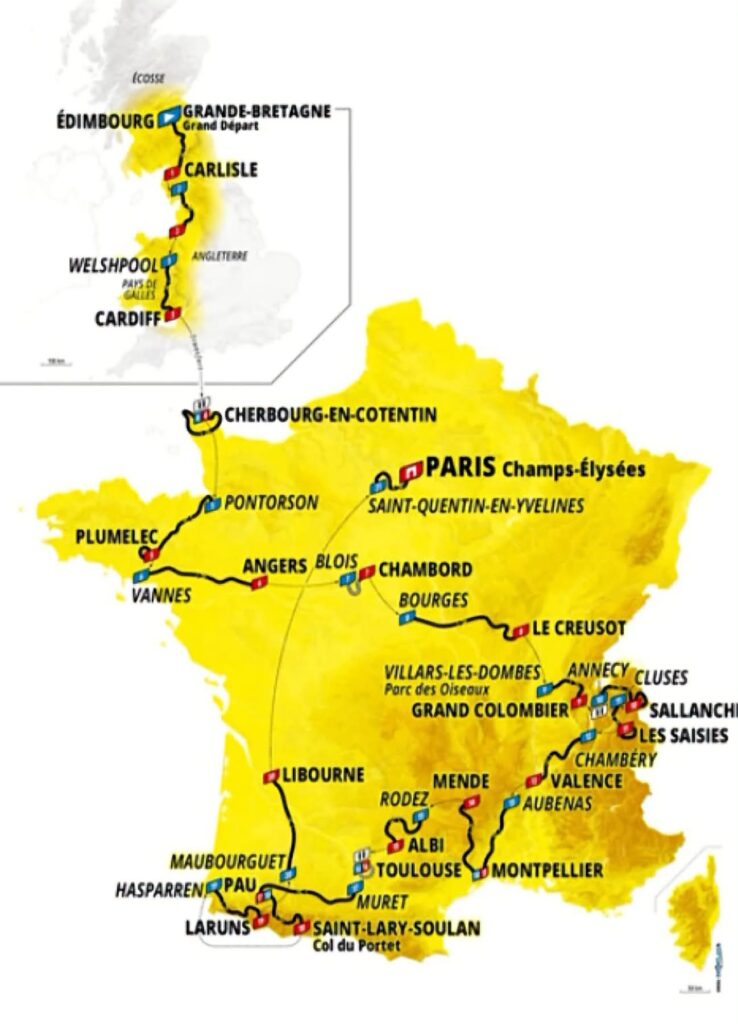
Two individual time trials form the route’s structural backbone. The first, 38 kilometres between Blois and Chambord, arrives on Stage 7, before the Grand Colombier and the main Alpine difficulties. The second, 33 kilometres around Toulouse, comes on Stage 16, immediately before the final Pyrenean confrontation.
Their placement matters as much as their combined distance. A rider who establishes an advantage at Chambord can approach the first mountains with greater freedom, while one who loses ground must begin considering where to recover it. In Toulouse, the stakes will be different: with only five stages remaining, the time trial could leave certain contenders with no realistic option but to attack.
Yet the route offers more than a confrontation between climbers and time trial specialists. The British opening includes opportunities for sprinters and puncheurs, the rolling roads of western France could favour breakaways, and the final stage in Paris incorporates Montmartre, creating a finale less predictable than the traditional Champs-Élysées sprint.
The 2027 Tour is best understood through its four racing blocks, separated by three rest days. Each presents a different problem for the contenders, and each could alter how they approach the next.
Tour de France 2027: Complete Stage Calendar
The interest ratings reflect the anticipated sporting appeal of each stage, considering terrain, tactical uncertainty and potential consequences for the general classification. They are editorial assessments rather than official difficulty classifications.
| Stage | Date | Start → Finish | Likely Race Type | Interest |
|---|---|---|---|---|
| 1 | Fri 2 July | Edinburgh → Carlisle | Sprint / first yellow jersey | ★★★★☆ |
| 2 | Sat 3 July | Keswick → Liverpool | Hilly / reduced sprint or breakaway | ★★★★☆ |
| 3 | Sun 4 July | Welshpool → Cardiff | Hilly / puncheurs | ★★★★☆ |
| — | Mon 5 July | Rest Day 1 — Transfer to France | Rest / transfer | — |
| 4 | Tue 6 July | Cherbourg-en-Cotentin → Cherbourg-en-Cotentin | Rolling / sprint or attackers | ★★★☆☆ |
| 5 | Wed 7 July | Pontorson → Plumelec | Hilly / uphill finish | ★★★★☆ |
| 6 | Thu 8 July | Vannes → Angers | Sprint | ★★☆☆☆ |
| 7 | Fri 9 July | Blois → Chambord | Individual time trial · 38 km | ★★★★★ |
| 8 | Sat 10 July | Bourges → Le Creusot | Rolling / breakaway | ★★★☆☆ |
| 9 | Sun 11 July | Villars-les-Dombes → Grand Colombier | Mountain / summit finish | ★★★★★ |
| — | Mon 12 July | Rest Day 2 — Alpine Region | Recovery | — |
| 10 | Tue 13 July | Annecy → Sallanches | Hilly / aggressive racing | ★★★★☆ |
| 11 | Wed 14 July | Cluses → Les Saisies | High mountains / GC | ★★★★★ |
| 12 | Thu 15 July | Chambéry → Valence | Sprint | ★★☆☆☆ |
| 13 | Fri 16 July | Aubenas → Montpellier | Sprint | ★★☆☆☆ |
| 14 | Sat 17 July | Montpellier → Mende | Hilly / puncheurs and breakaway | ★★★★☆ |
| 15 | Sun 18 July | Rodez → Albi | Rolling / breakaway | ★★★☆☆ |
| — | Mon 19 July | Rest Day 3 — Southwestern France | Recovery | — |
| 16 | Tue 20 July | Toulouse → Toulouse | Individual time trial · 33 km | ★★★★★ |
| 17 | Wed 21 July | Muret → Pau | Sprint / transitional | ★★☆☆☆ |
| 18 | Thu 22 July | Pau → Saint-Lary-Soulan | High mountains / mountain finish | ★★★★★ |
| 19 | Fri 23 July | Hasparren → Laruns | Mountains / GC and breakaway | ★★★★★ |
| 20 | Sat 24 July | Maubourguet → Libourne | Sprint or breakaway | ★★★☆☆ |
| 21 | Sun 25 July | Saint-Quentin-en-Yvelines → Paris | Montmartre circuit / Classics-style finale | ★★★★☆ |
Race-type predictions and interest ratings are editorial assessments by Around the Peloton. Five stars indicate stages with the greatest anticipated sporting interest. Blue markers indicate individual time trials; red markers indicate major mountain stages. Scroll horizontally on smaller screens to view the complete calendar.
Race-type descriptions and interest ratings are editorial forecasts based on the announced itinerary. Detailed professional stage profiles may refine some technical characteristics.
The British Opening: Three Nations, Three Different Challenges
Stages 1–3 | 2–4 July

The Tour begins in Scotland for the first time, travelling from Edinburgh through the Scottish Borders to Carlisle before continuing through England and Wales. It is a Grand Départ designed around geographical variety, with three stages offering different opportunities before the peloton reaches France.
The Tour first visited Britain in 1974, returned in 1994 and subsequently held Grand Départs in London in 2007 and Yorkshire in 2014. The 2027 opening extends that relationship northward, bringing Scotland into the race’s history while giving Wales another opportunity to showcase its challenging roads.
Stage 1, from Edinburgh to Carlisle, should favour the sprinters. The route crosses the Scottish Borders, passing through a landscape whose history was shaped by centuries of conflict, shifting political authority and fortified settlements along the Anglo-Scottish frontier.
Carlisle’s strategic importance developed from its position near the border, where its castle and defensive structures helped control movement between England and Scotland. The city provides an appropriate finish for a stage built around crossing historical boundaries.
For the peloton, however, the primary objective will be the first yellow jersey. The opening stage creates an unusually valuable opportunity for sprinters, and their teams should have every incentive to organise a pursuit. The principal danger may be positioning rather than terrain: fresh riders, nervous teams and the desire to avoid early losses can make the closing kilometres particularly chaotic.
Stage 2, from Keswick to Liverpool, is a more complicated proposition. The 223-kilometre route begins in the Lake District, where glaciers carved the valleys and lakes that define one of Britain’s most distinctive landscapes. The peloton then travels toward Lancashire and the Mersey, exchanging upland roads for the urban and industrial geography of northwestern England.
Five categorised climbs provide opportunities for attackers, while the relatively flat final section could allow surviving sprinters to return to contention.
This is my first pick for a stage that could upset the expected script. A reduced sprint is possible, but a strong breakaway containing experienced Classics riders may prove difficult to retrieve if the fastest finishers struggle on the climbs. The decisive factor could be how many teams still have a realistic chance of winning when the race reaches the flatter roads toward Liverpool.
The destination offers a striking contrast to the Lake District. Liverpool became one of Britain’s most important maritime centres, its expansion deeply connected to Atlantic commerce and the transatlantic slave trade. Its later industrial development, migration and cultural influence transformed the city, but its waterfront remains a reminder of the economic networks that shaped its history. For the Tour, the journey from the Lake District to the Mersey compresses that geographical transformation into a single racing day.

Stage 3, from Welshpool to Cardiff, brings a different type of challenge. The late Côte de Caerffili, approximately 2 kilometres at 8.1%, is positioned close enough to the finish to invite an attack but far enough away to leave time for a chase.
The climb should suit puncheurs and Classics specialists capable of producing repeated accelerations after a long day. A fast finisher who survives the ascent may still contest victory, but the finale is less predictable than a conventional sprint.
For the general classification contenders, Cardiff presents a different concern. No one needs to win the Tour on Stage 3, yet a poorly timed mechanical problem, a late split or bad positioning could create an unnecessary deficit before the race has reached France.
The first rest day on 5 July allows the peloton to transfer across the Channel, with teams already reassessing their ambitions after an opening weekend in which three different types of rider may have contested the yellow jersey.
Western France: The First Test of Control
Stages 4–9 | 6–11 July
The Tour resumes in Cherbourg-en-Cotentin, on the Normandy peninsula whose exposed coastline has shaped its maritime and military history.
Cherbourg’s strategic harbour made it a major objective during the Allied campaign in Normandy in 1944. After the D-Day landings, securing the port became an important part of establishing reliable supply lines for the advancing Allied forces. The same coastal geography that made the harbour strategically valuable also exposes the surrounding roads to winds moving across the Channel.

For the peloton, that exposure could become the day’s defining feature. If crosswinds develop, teams with strong rouleurs may attempt to split the field into echelons. Such conditions cannot be predicted months in advance, but Stage 4 is a day when the weather could matter more than the profile suggests.
Stage 5 travels from Pontorson to Plumelec, bringing the race into Brittany and a finish associated with the Côte de Cadoudal.
Plumelec has a distinctive relationship with the Tour. Bernard Hinault won the opening prologue of the 1985 edition on the Côte de Cadoudal, while Alejandro Valverde claimed the first yellow jersey there in 2008. Both performances demonstrated how a short uphill effort can favour explosive riders rather than the sustained climbing specialists who dominate the high mountains.
The 2027 finish should offer another opportunity for puncheurs. A strong team may attempt to deliver its leader to the foot of the final ascent, while more aggressive riders could try to force a selection before the favourites organise themselves.
Stage 6, from Vannes to Angers, provides a more straightforward opportunity for sprinters before the first major confrontation between the overall contenders.
That confrontation comes on Stage 7, a 38-kilometre individual time trial from Blois to Chambord.
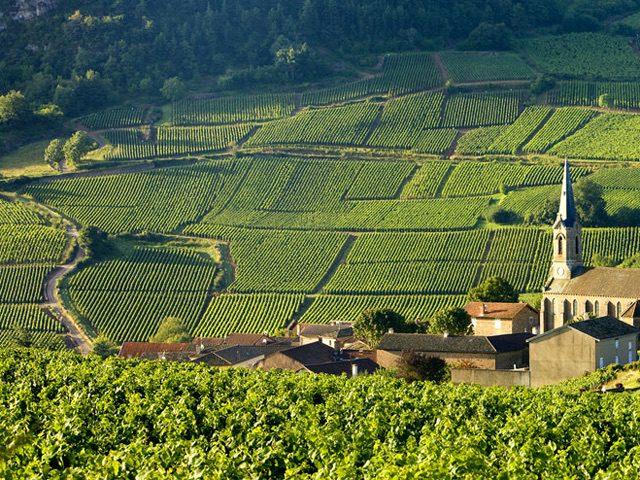
The Loire Valley is one of France’s most recognisable historical landscapes, shaped by royal residences, Renaissance architecture and the political importance of the Loire during the late medieval and early modern periods. Chambord, begun under Francis I in 1519, was conceived as a monumental expression of royal prestige, its extraordinary scale reflecting the ambitions of the French monarchy.
The time trial provides a different measurement of power. Across 38 kilometres, aerodynamic efficiency, pacing and sustained output will matter more than tactical positioning within a group.
The differences could be substantial enough to change the general classification, although their scale will depend on the precise course characteristics and the performances of the leading contenders.
The following day, from Bourges to Le Creusot, may offer one of the best early opportunities for a successful breakaway. The rolling terrain is suitable for attackers, but its position between the time trial and the Grand Colombier is equally important.
Teams protecting general classification contenders may prefer to conserve resources rather than chase riders who pose no threat to the yellow jersey. If a strong escape establishes itself, the burden of pursuit could fall on a small number of squads.
Le Creusot developed into one of France’s great industrial centres through coal mining, metallurgy and the Schneider enterprises. Its nineteenth-century transformation reflects the growth of heavy industry across a region previously dominated by smaller settlements and agricultural landscapes. The peloton’s approach through this territory also marks a transition away from the royal landscapes of the Loire toward the more demanding terrain of eastern France.
Stage 9 finishes on the Grand Colombier, a mountain whose reputation in the modern Tour has grown through several memorable performances.
Pogačar won there in 2020, while Michał Kwiatkowski claimed a breakaway victory in 2023 as the general classification favourites contested their own battle behind him. Those contrasting results illustrate the mountain’s tactical possibilities: the stage victory and the overall classification can become two separate competitions on the same road.
The climb arrives immediately before the second rest day, creating an opportunity for contenders to commit heavily without having to race again the following morning.
A rider who has lost time at Chambord may see the Grand Colombier as the first major opportunity to recover it. Yet attacking too early carries a risk, particularly if a rival has enough teammates to organise a pursuit on the lower slopes.
The mountain should provide the first clear indication of which contenders possess the climbing strength to match their time trial performances.
The Alps: Where Teams Can Begin to Disappear
Stages 10–15 | 13–18 July
The second rest day precedes another Alpine sequence, beginning with Stage 10 from Annecy to Sallanches.
Sallanches occupies a remarkable place in cycling history. On 31 August 1980, Bernard Hinault won the World Road Race Championship after a punishing contest on a circuit featuring the Côte de Domancy. Cold rain, repeated climbing and an exceptionally demanding course reduced the field dramatically: only 15 of the 107 starters finished.
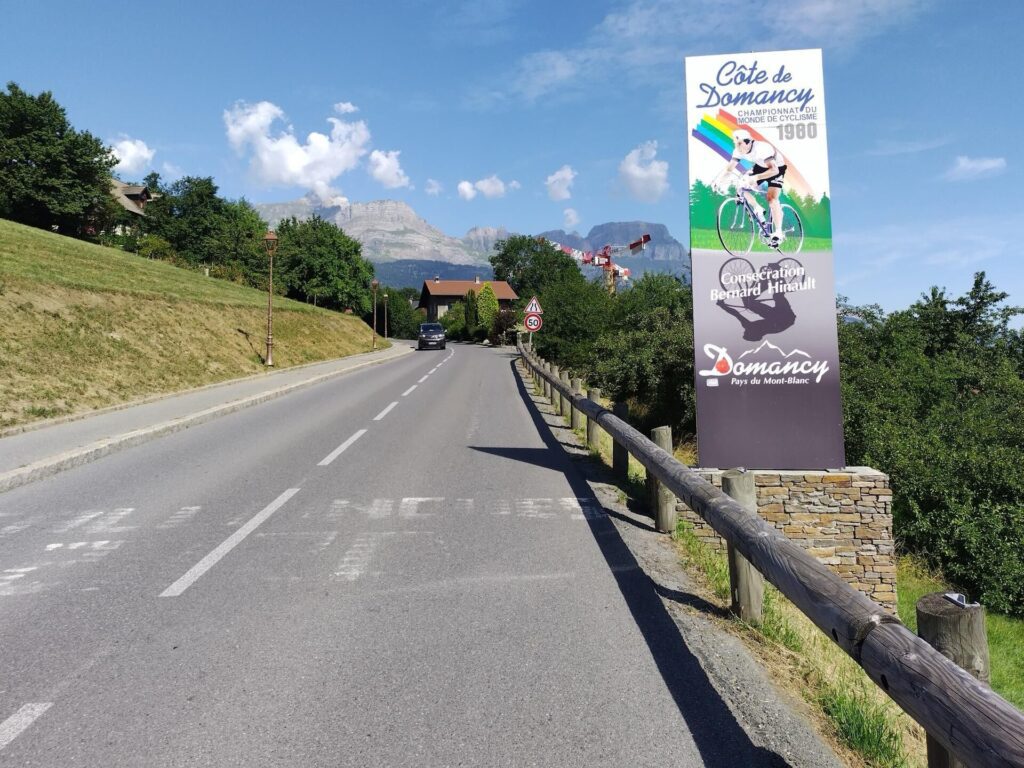
Hinault’s victory became one of the defining performances of his career. Rather than relying on a single decisive acceleration, he dominated a race in which the repeated demands of the course steadily eliminated his rivals.
The historical connection is particularly appropriate in 2027, with the region preparing to host the Road World Championships later that year. It also introduces the following day’s Alpine challenge, where accumulated climbing may matter more than any individual ascent.
Stage 11, from Cluses to Les Saisies, is one of the principal Alpine challenges of the 2027 Tour. The route takes the peloton through a succession of demanding ascents, including the Col de la Colombière and the formidable climbs of the Beaufortain.
The Col de la Colombière, approximately 15.9 kilometres at 7%, provides an early test before the roads continue through the Aravis and toward the later Alpine difficulties. The published climbing sequence also includes the Col du Pré and Bisanne, creating a stage in which the accumulated effort may be more important than any single acceleration.

Bisanne, approximately 12.4 kilometres at 8.3% on the associated amateur route, is particularly severe after several hours of climbing. By that point, the peloton may have been reduced to a small group of contenders, with some leaders already isolated.
The stage’s difficulty lies in the succession of ascents. Each major climb requires domestiques to work near their limits, and a team that begins with several strong mountain helpers may reach the final climbs with only one or two remaining.
Bisanne could become the decisive point if the professional route follows the published climbing sequence. A contender with teammates still available may be able to force the pace before the final kilometres, isolating opponents and making their responses more expensive. An attack there could succeed even without an enormous initial gap, particularly if the riders behind lack the support needed to organise a chase.
The strategy is not without risk. A team that commits too much strength early could leave its own leader exposed. The key decision will be whether to preserve support for the finish or use it to weaken rivals before the final ascent.
The surrounding Beaufortain landscape has long been shaped by mountain agriculture, seasonal movement between valley settlements and high pastures, and the production of Beaufort cheese. Modern mountain roads now connect communities and winter-sports destinations across terrain that historically imposed severe limits on travel and trade.
Route clarification: the professional Cluses–Les Saisies stage has been listed at approximately 150 kilometres. The associated L’Étape du Tour amateur course measures 154 kilometres with around 4,850 metres of climbing. The amateur figures should not be treated as the exact professional-stage measurements.
Stages 12 and 13 then take the race toward Valence and Montpellier, offering more favourable terrain for sprinters.
Their position after the Alpine difficulties is important. Some fast finishers may already have struggled to survive the mountains, while their teams could be operating with reduced resources. A sprint that appears predictable on paper becomes less straightforward when fewer squads are capable of organising a sustained pursuit.
Stage 14, from Montpellier to Mende, introduces the irregular terrain of the Massif Central.
Unlike the Alps, the region is not defined primarily by sustained high-altitude climbs. Its plateaus, valleys and short, steep roads encourage repeated changes of rhythm, making it difficult for a chasing peloton to maintain a steady pace.
Mende has produced several memorable Tour finishes. In 2015, Steve Cummings timed his effort perfectly to pass Romain Bardet and Thibaut Pinot in the closing kilometres, turning a difficult uphill finale into a demonstration of tactical patience. Michael Matthews won there in 2022 after a demanding contest that rewarded endurance as much as finishing speed.
For 2027, Mende is my strongest pick for a victory by an attacking puncheur or a powerful breakaway rider. The terrain offers opportunities to establish an advantage before the finale, while the general classification teams may prefer to conserve energy rather than chase a stage victory with limited strategic benefit.
Stage 15, from Rodez to Albi, continues through the rolling landscapes of southwestern France. By this point, teams without victories may be increasingly willing to take risks, while the overall contenders will be thinking about the final time trial and the Pyrenees.
Albi’s historic centre, dominated by the brick-built Cathedral of Sainte-Cécile, provides a distinctive setting for the end of the second week. Its monumental architecture reflects the religious and political conflicts of medieval southern France, when the region was shaped by the Albigensian Crusade and the consolidation of royal authority. After days in the Alps and Massif Central, the arrival in Albi marks the race’s passage toward the southwestern plains and the final mountain range.
The stage could favour a breakaway if the leading teams are content to allow riders far behind in the overall standings to contest victory.
The third rest day arrives on 19 July, with the general classification likely to be more clearly defined but the most demanding Pyrenean stages still ahead.
The Final Week: Why Laruns Could Matter More Than the First Pyrenean Mountain Finish
Stages 16–21 | 20–25 July
The final week begins with a 33-kilometre individual time trial around Toulouse.
Known as the Pink City for its characteristic brick architecture, Toulouse developed along the Garonne and became an important centre of trade, education and, in the modern era, aerospace engineering. Its identity as a major aviation centre provides an appropriate setting for a discipline in which aerodynamic efficiency can make the difference between gaining and losing time.
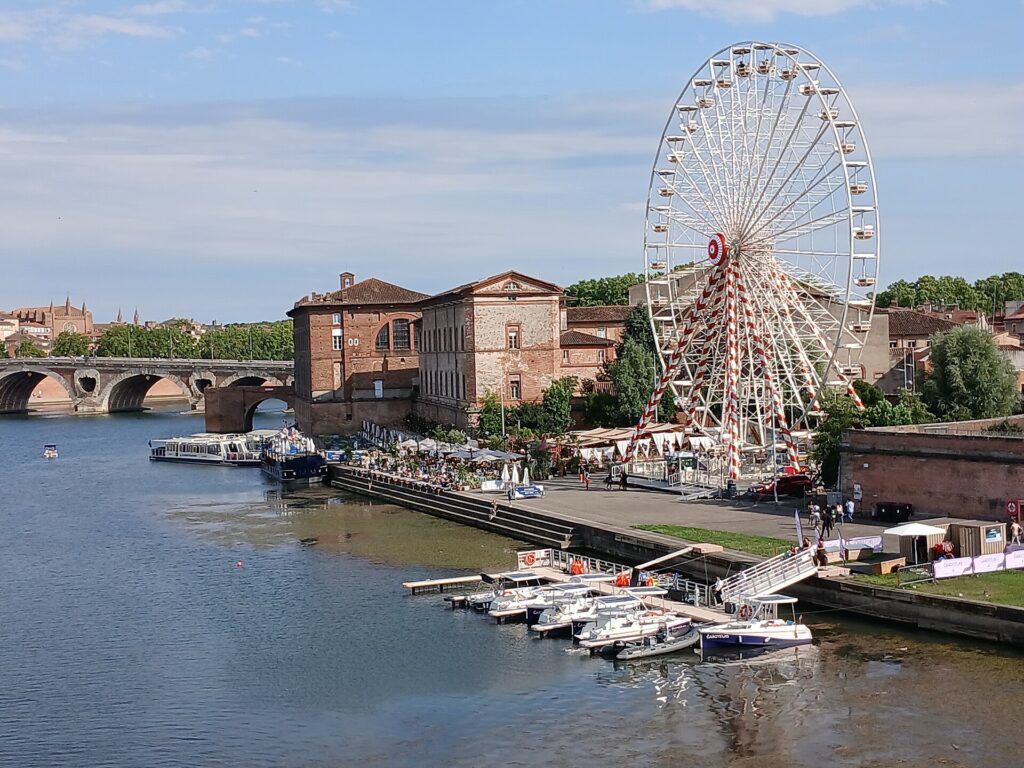
The second time trial arrives at a particularly consequential moment. The leading contenders will already have completed the Grand Colombier, the Alpine stages and the difficult terrain of the Massif Central. Their strengths and weaknesses should be clearer than they were at Chambord, and the gaps created in Toulouse will influence how the final mountain stages are contested.
A rider who gains time may be able to approach the Pyrenees more defensively. One who loses ground may have little choice but to attack.
Stage 17, from Muret to Pau, offers a transitional opportunity before the mountains. Pau has long served as one of the Tour’s principal gateways to the Pyrenees, its location north of the range making it a natural starting point for stages heading toward the great passes.
The day may favour sprinters, but it also gives general classification teams an opportunity to reorganise. A contender who has lost time in Toulouse must decide whether to conserve his support riders for the following mountain stages or attempt a more ambitious strategy across the final two major climbing days.
Stage 18, from Pau to Saint-Lary-Soulan, takes the race into the central Pyrenees for what is expected to be one of the most demanding mountain stages of the edition. Reports indicate approximately 5,400 metres of climbing, enough to make the day’s accumulated effort a major factor even before the final ascent.
The destination lies in the Aure valley, beneath mountains that have repeatedly shaped the Tour’s history. Saint-Lary-Soulan is associated with the roads to Pla d’Adet and the Col du Portet, two very different but equally demanding expressions of Pyrenean climbing.
The Col du Portet has produced memorable performances in recent editions. Nairo Quintana won there in 2018, while Pogačar claimed victory in 2021 during his second overall triumph. Those stages demonstrated how steep gradients, altitude and the accumulated demands of a mountain stage can expose even small differences in form.
The precise finishing ascent for 2027 remains to be established from the professional stage profile, but the central tactical question is already clear. After several hours of climbing, which contenders will still have the strength and support to dictate the race?
A rider who reaches the decisive ascent with limited teammates may struggle to respond to repeated attacks. Another who has spent too much energy earlier in the stage could lose substantial time in the final kilometres. For a contender trailing after Toulouse, this is an obvious opportunity to attack, but committing everything on Stage 18 carries an additional risk.
The following day may be just as important.
Stage 19, from Hasparren to Laruns, offers another demanding day in the Pyrenees, with little time for the riders to recover from the previous mountain confrontation.
The route passes through a region where the cultural landscapes of the French Basque Country and Béarn meet the mountain geography of southwestern France. Hasparren belongs to a historical Basque-speaking area with strong traditions of local identity and rural community life, while Laruns lies in the Ossau valley, long associated with pastoral agriculture and the seasonal movement of livestock through mountain pastures.
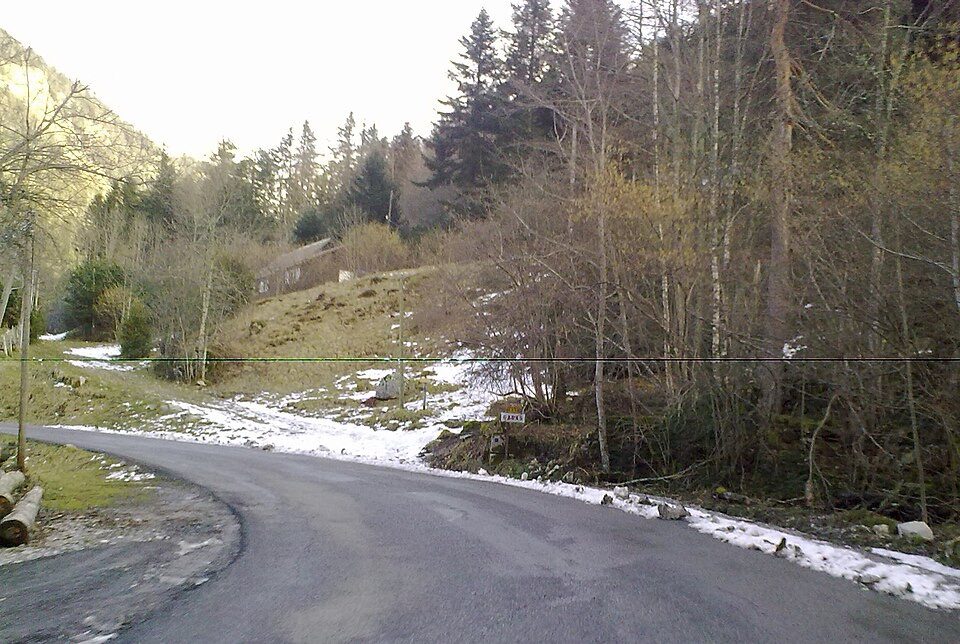
Laruns also has recent Tour history. In 2023, Jai Hindley won the stage finishing there and briefly took the yellow jersey, while Jonas Vingegaard gained time on Pogačar during the first major mountain confrontation of that edition. In 2027, Laruns may become decisive for a different reason.
A rider who has spent enormous energy defending a lead in Saint-Lary-Soulan may struggle to recover overnight. A team that successfully controls Stage 18 could discover the following morning that several domestiques are no longer capable of performing the same work.
That creates an opportunity for contenders who have preserved enough strength to attack again. A move on the second mountain day may be more effective than an earlier attack against a stronger, better-supported opponent.
The exact tactical opportunities will depend on the professional stage profile, but the sequence itself is significant. Two demanding mountain stages on consecutive days place a premium on recovery, pacing and the ability to withstand repeated efforts.
Stage 20, from Maubourguet to Libourne, offers one final opportunity for sprinters or breakaway specialists before the race reaches Paris. It may also become a difficult day for a team defending a narrow lead if fatigue, weather or an unexpectedly aggressive peloton complicates the chase.
The final stage travels from Saint-Quentin-en-Yvelines to Paris, where the Champs-Élysées has provided the Tour’s traditional conclusion since 1975.
The inclusion of Montmartre changes the sporting possibilities. Its cobbled streets and short climbs introduce a selective element that could reward Classics specialists rather than guaranteeing a conventional bunch sprint.
Montmartre’s artistic history, nineteenth-century cafés and the white domes of the Sacré-Cœur create a distinctive final setting for the race. Even if the general classification has effectively been decided, the stage victory may remain uncertain until the closing kilometres.
Who Does the 2027 Route Really Favour?
The return of longer time trials naturally invites comparisons with editions in which specialists against the clock enjoyed a substantial advantage. Yet the 2027 route is unlikely to reward time trialling alone.
For Remco Evenepoel, the ideal scenario would be to establish a meaningful advantage at Chambord, survive the first Alpine confrontations without major losses and then reinforce his position in Toulouse. The problem is that the second time trial comes before two demanding Pyrenean stages. Even a substantial advantage could be vulnerable if he reaches the final mountains under pressure.
Pogačar presents a different problem for his rivals. His combination of elite climbing, strong time trialling and attacking versatility means he does not need to depend on one part of the route. He could gain time on the Grand Colombier, attack in the Alps or challenge the specialists against the clock. His greatest tactical advantage may be the number of different ways he can win.

Vingegaard’s opportunity could lie in turning the final mountain stages into a prolonged contest of endurance. If he remains close after Toulouse, a sustained effort on Stage 18 followed by another aggressive day toward Laruns could favour his strengths in high-mountain racing and recovery.
Consider a scenario in which Evenepoel leaves Toulouse with a 45-second advantage over Vingegaard, while Pogačar sits between them. Evenepoel would have an incentive to defend that lead through the Pyrenees, but Pogačar could choose to attack on the first mountain day, forcing both rivals to respond. Vingegaard, meanwhile, might benefit from a harder, more attritional contest extending into Laruns rather than a single explosive summit finish.
The same time gaps could therefore create three different tactical objectives. One rider would be protecting an advantage, another trying to overturn it through attacking opportunities, and the third seeking to make the accumulated climbing decisive.
These scenarios are illustrative rather than predictions of the actual standings. They also assume the riders participate and arrive in competitive form. Team composition, race circumstances and the gaps entering the final week could alter their options considerably.
There is an important distinction between possessing the strongest physical qualities and being best positioned to win. A rider who enters the Pyrenees with a substantial advantage can afford to respond selectively, while a rival who is behind must create opportunities through attacks that carry greater risks.
The strongest contender will need to judge not only when he can gain time, but when the effort required to gain it is worth the cost.
A Tour Where Every Effort Leaves a Trace
The 2027 Tour de France offers a Grand Départ crossing three nations, substantial individual time trialling, famous mountain passes and a Paris finale that includes Montmartre.
But its most interesting quality is less visible in the stage profiles.
The race is not a collection of 21 independent competitions. Every effort leaves a trace, whether in the general classification, the strength of a team or the reserves of a rider who has already spent more energy than he can recover.
When the peloton reaches Laruns on 23 July, the mountains will have provided plenty of opportunities to attack. The decisive question may be much simpler: who still has the strength to do it again?