
29 November 2026 | Monaco | Professional Criterium and Charity Cycling Event | 1.3 km Harbour Circuit
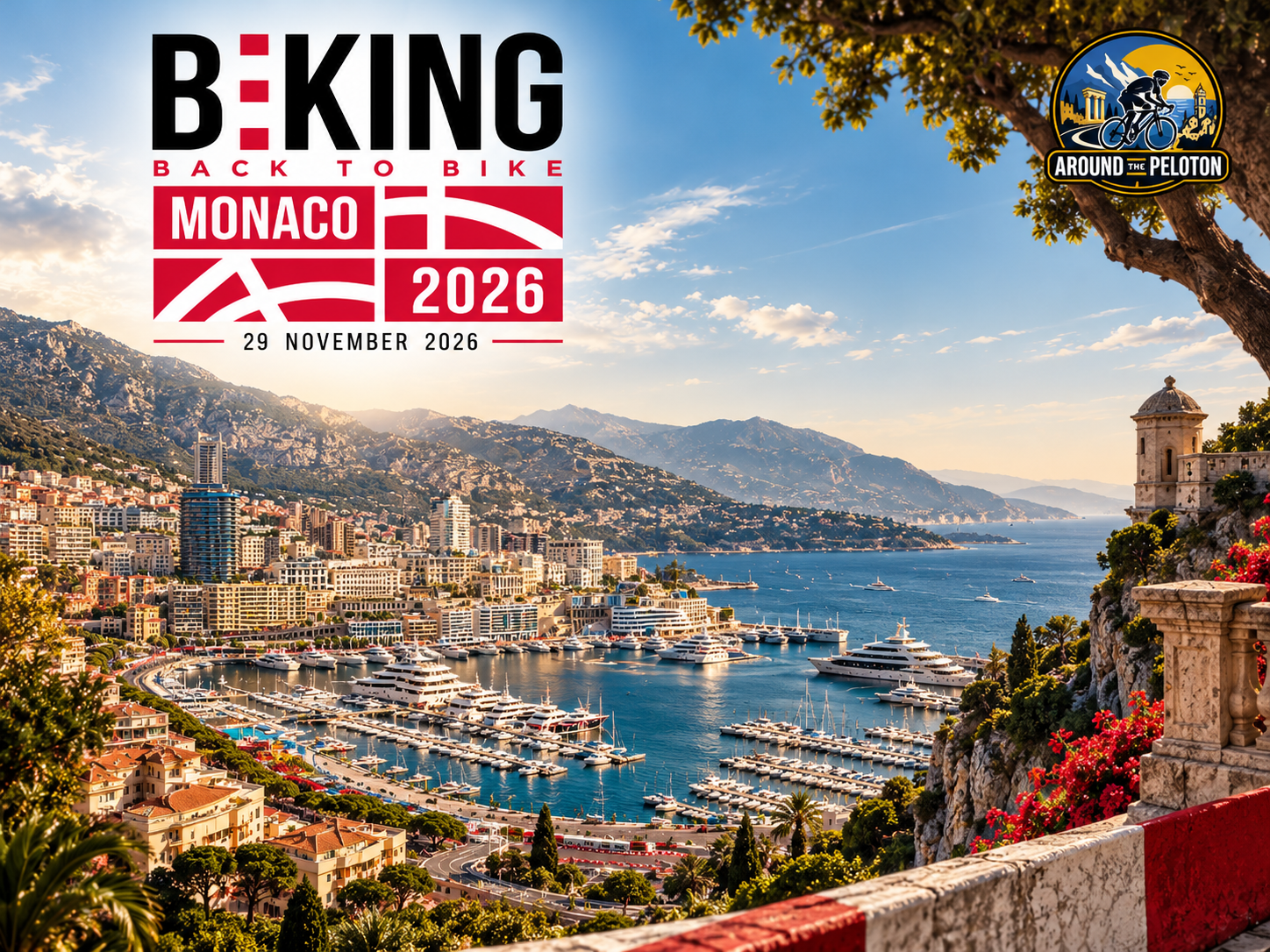
On the final Sunday of November, Monaco’s Port Hercule will become a cycling circuit. Professional riders will accelerate past the yachts moored along the waterfront, negotiate tight turns on streets familiar to Formula One spectators and return repeatedly to a finish line beside the Stade Nautique Rainier III. The setting is unmistakably Monaco, but the event taking place here has a purpose that extends beyond professional competition.
BEKING was founded in 2021 to bring professional cyclists and the public together through racing, participation and charitable initiatives. Its organisers wanted to use the visibility of elite athletes to encourage cycling, promote road safety and support causes beyond the sport. The professional criterium provides the spectacle, but the surrounding activities, including amateur participation and programmes for children, are fundamental to the event’s identity.
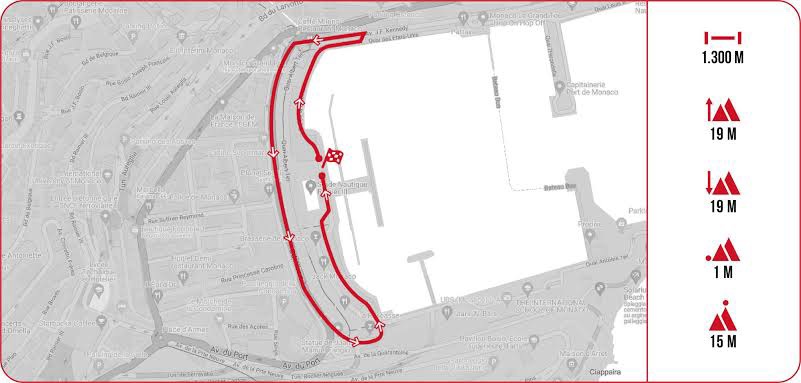
The sixth edition, scheduled for 29 November 2026, returns to a compact circuit around the western side of Port Hercule. The organisers’ indicative circuit measures approximately 1.3 kilometres, with two parallel straights, a northern hairpin and a southern turn near La Rascasse. It is a course without significant climbing, but its closely spaced corners and short straights create a rhythm quite different from that of an open-road race.
There is something particularly appropriate about BEKING taking place here. Monaco has spent nearly a century demonstrating how ordinary streets can become an international sporting arena. BEKING uses that same relationship between the city and competition for a different purpose, turning the harbourfront into a place where professional athletes, amateur cyclists and spectators can share the experience of cycling.
What Is BEKING Monaco?
BEKING is an annual cycling festival combining professional criteriums, amateur participation, educational activities and charitable fundraising. It is not a conventional professional road race, nor is it simply an exhibition in which famous riders appear before a crowd. Its programme brings competitive cycling into a public setting while encouraging visitors to participate in the sport themselves.
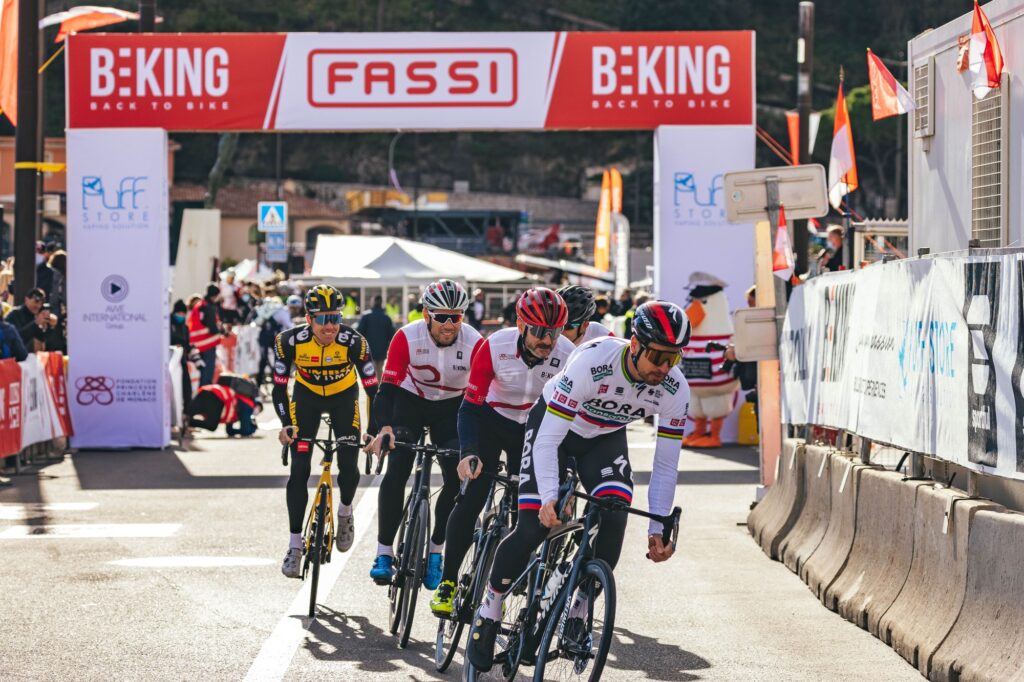
The criterium is the central sporting attraction. Unlike the long-distance races that dominate the professional calendar, a criterium takes place over repeated laps of a short circuit, usually on closed urban roads. The compact format keeps the competition close to spectators, who can watch the field pass repeatedly and follow attacks, changes of position and the development of the race without travelling between different locations.
The 2026 programme includes separate professional races for women and men, scheduled to begin at 11:15 and 14:00 respectively. Both take place within the wider BEKING festival, which also includes a Pro/Am competition bringing professional riders and amateur participants onto the same course.
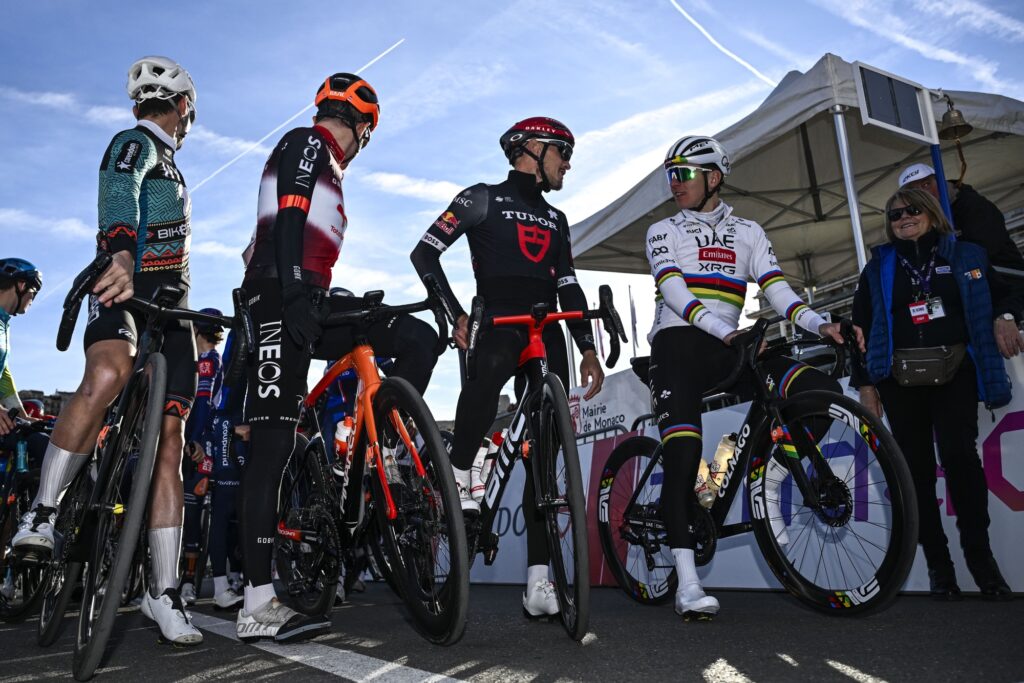
The Pro/Am format is especially important to the event’s character. It creates an opportunity for selected amateur cyclists to ride alongside established professionals, replacing the usual separation between elite athletes and the public with a more direct sporting experience. The harbour circuit, with its short lap and concentrated spectator areas, makes this interaction possible without requiring the infrastructure of a major point-to-point race.
Away from the competition, BEKING organises activities intended to introduce children to cycling and improve awareness of road safety. Demonstrations and educational initiatives also address sustainable mobility, connecting the bicycle as a sporting machine with its everyday role as a means of transport.
The event is free to attend. That matters in a principality internationally associated with luxury tourism and exclusive sporting occasions. BEKING’s public programme is designed to accommodate dedicated cycling supporters, families and visitors who may encounter the event without having followed professional racing before.
Professional cycling provides the attraction, but participation and education give the gathering its wider purpose. Understanding how those elements came together requires returning to the circumstances in which BEKING was created.
How BEKING Began: Professional Cycling With a Wider Purpose
BEKING emerged in 2021 through the initiative of professional cyclist Matteo Trentin and Claudia Morandini, a former high-level athlete. Its creation followed a period when the COVID-19 pandemic had disrupted international sport and renewed interest in outdoor activity, cycling and the use of public spaces.
The project was built around a straightforward idea: professional athletes could contribute more to cycling than their performances in competition. By bringing established riders into an accessible public event, BEKING could introduce new audiences to the sport while drawing attention to road safety, sustainable mobility and charitable causes.
Monaco offered a suitable setting. The principality and the surrounding French Riviera have long been home to professional cyclists, attracted by the Mediterranean climate, the mountainous training roads of the hinterland and the region’s established international sporting community. Riders based nearby could participate in an event that brought their profession into closer contact with the places where they lived and trained.
The principality also had extensive experience turning its streets into sporting venues. Since the first Monaco Grand Prix in 1929, the harbour and surrounding roads have repeatedly been transformed into a temporary competition circuit. BEKING adopted the principle of racing through the city, but with a programme centred on bicycles and public participation rather than motor sport.
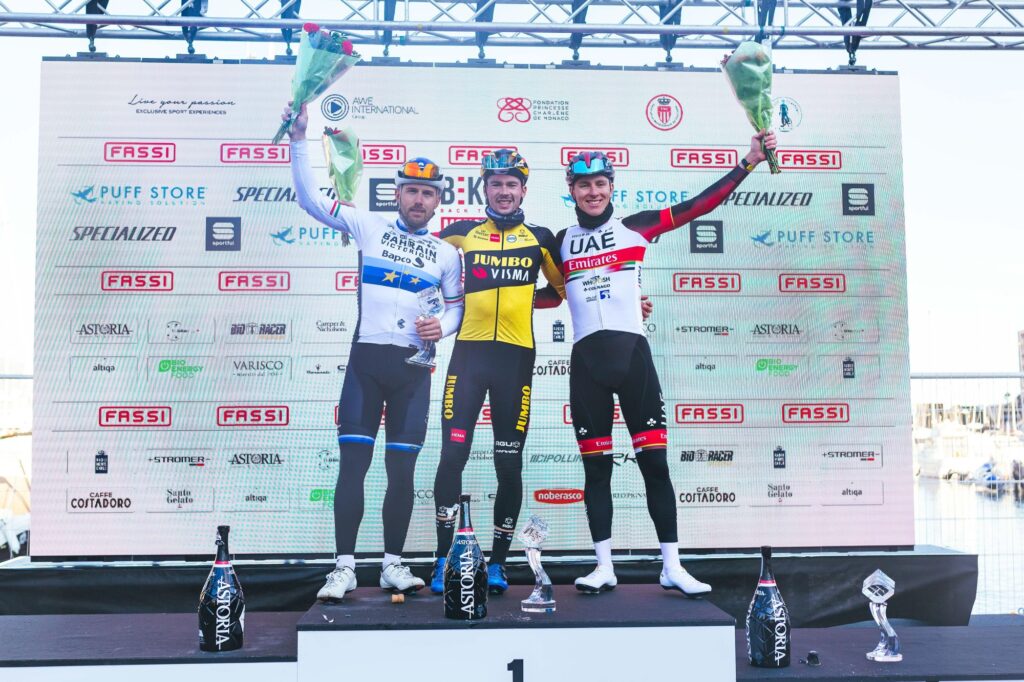
The inaugural edition took place on 28 November 2021. Its professional criterium attracted an exceptional field, with Primož Roglič winning ahead of Sonny Colbrelli and Tadej Pogačar. Their participation gave the new event immediate recognition, bringing riders associated with the sport’s biggest victories onto a short circuit around Port Hercule.
Yet the significance of that first edition extended beyond its results. BEKING supported the Princess Charlene of Monaco Foundation and the Michele Scarponi Foundation, connecting the event’s charitable mission with causes involving children, sport and road safety.
The Michele Scarponi Foundation was established in memory of the Italian professional cyclist who died in April 2017 after being struck by a vehicle while training near his home. Scarponi’s death brought renewed attention to the dangers cyclists face on public roads, particularly the vulnerability of riders sharing those roads with motor vehicles.
The foundation’s work gave BEKING’s road-safety message a concrete connection to professional cycling. The athletes competing in Monaco were not separate from the issues being discussed through the festival. They, too, depended on the safety of public roads when training, travelling and riding outside competition.
This relationship between the professional sport and everyday cycling became one of BEKING’s defining characteristics. The same riders who attracted spectators to the harbour could also help draw attention to the conditions necessary for more people to use bicycles safely.
The event continued after its first edition, gradually establishing itself on Monaco’s sporting calendar. The creation of the BEKING Association in 2023 provided a more permanent organisational structure for its educational and charitable activities. The programme developed further with the introduction of a women’s professional criterium in 2025, adding a separate elite competition alongside the men’s event.
For 2026, the organisers identify the Princess Charlene of Monaco Foundation and Fight AIDS among the beneficiaries of their fundraising initiatives. Charitable dinners and auctions associated with BEKING complement the public festival, using the participation of professional athletes to support the organisations involved.
Over successive editions, BEKING has therefore developed into something more substantial than an end-of-season criterium. Its sporting programme remains the most visible element, but the event’s identity rests on the connection between competition, participation and charitable work.
That connection is also reflected in the choice of venue. The course is not hidden within a stadium or separated from the city. It follows public roads beside Monaco’s principal harbour, placing professional cycling directly within an urban environment where the relationship between bicycles, pedestrians and motor vehicles is part of everyday life.
The Port Hercule Circuit: 1.3 Kilometres Between the City and the Sea
BEKING’s circuit is planned around the western side of Port Hercule, following a compact sequence of roads between the Stade Nautique Rainier III, Quai Albert Ier, Boulevard Albert Ier and La Rascasse. The organisers’ published indicative course measures approximately 1,300 metres, with 19 metres of accumulated climbing and an equivalent amount of descending per lap. Its elevation ranges from roughly 1 to 15 metres above sea level.

These figures describe a largely flat circuit, but they do not capture its entire character. The riders negotiate two principal straights connected by tight changes of direction, with little distance between one corner and the next. The result is a course where the ability to maintain position through successive turns matters more than sustained climbing or descending.
Port Hercule itself has a history far older than Monaco’s modern sporting reputation. Its sheltered bay provided a natural anchorage on a Mediterranean coastline where protected harbours were valuable to maritime traffic. The settlement associated with ancient Monaco developed around the rocky promontory overlooking the water, while the lower waterfront gradually became an important area for trade and movement.

Over the centuries, the harbour changed from a natural anchorage into an increasingly developed maritime centre. The expansion of La Condamine, construction of quays and breakwaters, and modernisation of port facilities transformed the waterfront into the marina seen today. Pleasure craft and international sporting events now dominate its public image, but the shape of the harbour still reflects the geographical conditions that first made it valuable.
The contrast between the water and the surrounding city is particularly evident along BEKING’s course. Port Hercule occupies a narrow opening in Monaco’s steep coastline, with densely built streets rising behind the quays and the Rock of Monaco standing above the southern end of the harbour. The circuit remains within this confined waterfront landscape, never climbing into the principality’s higher districts.
For BEKING, the setting is more than a backdrop. The same quays that once served maritime commerce now provide space for spectators, children learning to ride and professional athletes competing on a temporary street circuit. The harbour’s role has changed repeatedly over time, and the cycling festival represents another use of an urban space that has long connected Monaco with the outside world.
Stade Nautique Rainier III and Quai Albert Ier | The Start and Harbour Straight
The lap begins beside the Stade Nautique Rainier III, the outdoor swimming complex situated directly on the waterfront. The riders cross the start-and-finish line near the pool and head north along the harbour-side lane of Quai Albert Ier, with the marina and moored yachts to their right.
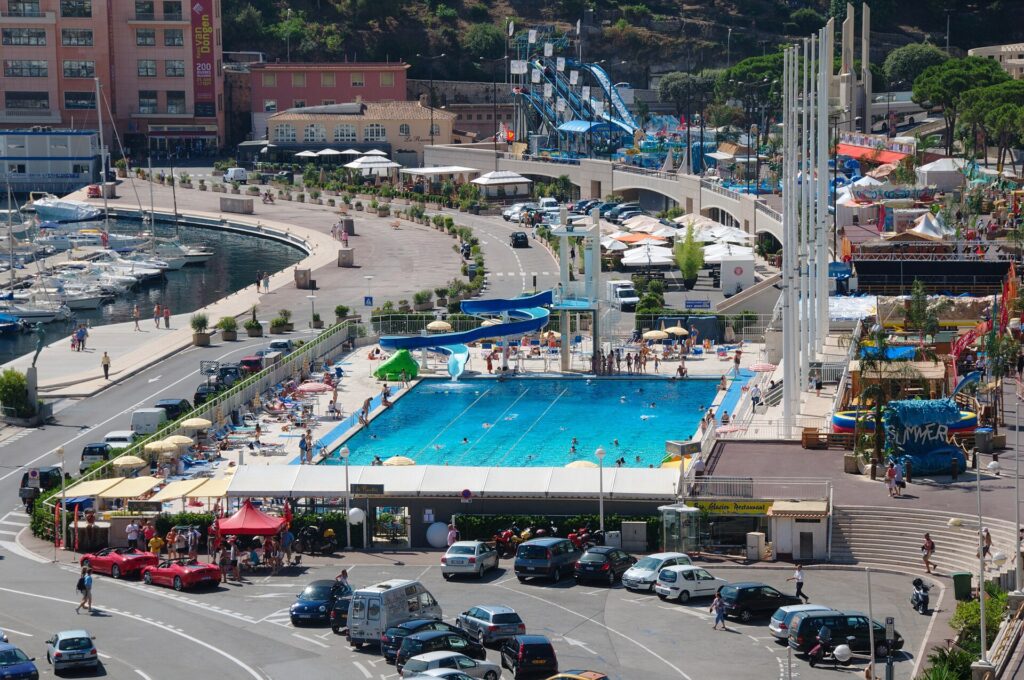
The swimming complex is one of the recognisable features of modern Port Hercule. Named after Prince Rainier III, who ruled Monaco from 1949 until 2005, it belongs to the period in which the principality expanded its urban infrastructure and strengthened its international reputation as a centre for tourism, sport and major events.
Rainier’s reign coincided with substantial changes to Monaco’s physical landscape. Construction and infrastructure development reshaped a territory constrained by steep terrain and limited available land, while the harbour became increasingly important as both a maritime facility and a public setting for international gatherings.
The Stade Nautique occupies a distinctive position within that landscape. Its open-air pool stands between the city and the marina, making it a familiar point of reference for visitors walking along the waterfront. During BEKING, the adjacent road becomes the finish straight, placing the centre of the sporting action beside a facility normally associated with recreation and public leisure.
From the line, the riders accelerate north along Quai Albert Ier. The quay is one of Monaco’s principal event spaces, regularly adapted for exhibitions, celebrations and sporting activities. Its relatively broad layout provides room for the temporary infrastructure required by a criterium, while the open harbour allows spectators to follow the movement of the field.
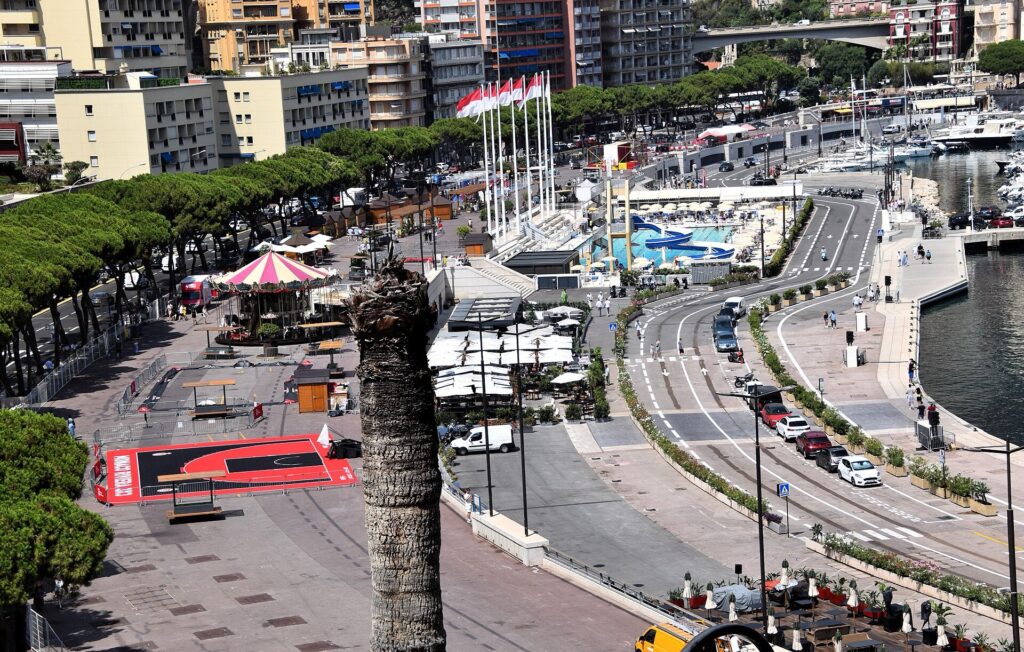
The northbound straight is one of the circuit’s clearest stretches of road, allowing the peloton to gather speed before approaching the northern end of the harbour. The yachts remain close to the course, while the buildings of La Condamine rise behind the parallel road on which the riders will shortly return.
This section also illustrates the particular accessibility of BEKING. The circuit brings the professional peloton repeatedly through an area used for the event’s public activities, allowing spectators to experience the racing without travelling between distant viewing points. The relationship between competition and participation, central to BEKING’s founding idea, is built into the geography of the harbourfront.
The Northern Hairpin | Avenue J.-F. Kennedy
Near Avenue J.-F. Kennedy, the riders negotiate a tight U-turn that redirects them south along the city-facing side of the waterfront.
The northern hairpin is one of the circuit’s defining technical features. Riders must reduce speed before the bend, negotiate the turn and accelerate again as the road straightens. In a closely packed group, the position at which a rider enters the corner can influence the effort required to remain with the leaders.
Those differences become significant when the same manoeuvre is repeated lap after lap. A rider near the front may be able to carry more momentum through the turn, while those farther back can experience sharper braking and more demanding accelerations. Even on a largely flat course, this repeated disruption of speed can make the race physically demanding.
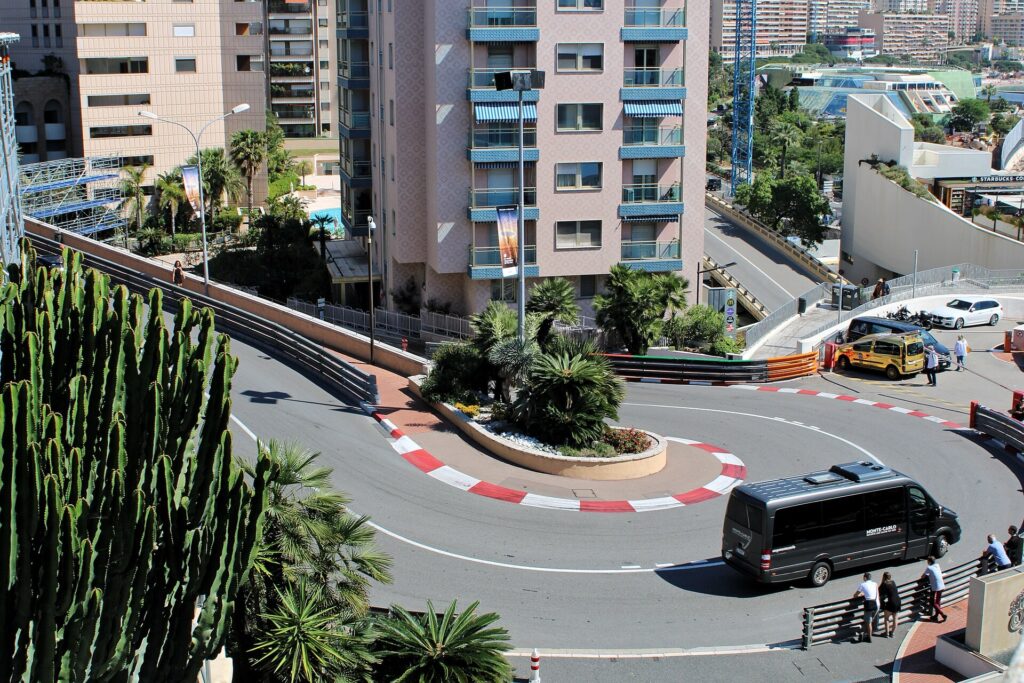
The hairpin also changes the relationship between the riders and their surroundings. The northbound passage follows the edge of the marina, with the harbour occupying much of the view. After the turn, the route runs south along Boulevard Albert Ier, closer to the commercial buildings and streets of La Condamine.
La Condamine is one of Monaco’s historic districts, occupying the lower ground between the harbour and the slopes rising toward Monte Carlo. Its development was closely tied to the waterfront, and its streets continue to form the connection between the port and the rest of the principality.
The riders therefore pass from the open waterside of the circuit to a more enclosed urban straight, even though the two roads lie only a short distance apart.
Boulevard Albert Ier | Monaco’s Other Sporting Circuit
The southbound return follows Boulevard Albert Ier, one of the most recognisable roads in international motor racing.
The Monaco Grand Prix was first held in 1929, following the efforts of the Automobile Club de Monaco and Antony Noghès to establish a major international race through the principality’s streets. The event became one of Monaco’s defining sporting traditions, demonstrating how a dense urban environment could be transformed into a temporary racing venue.
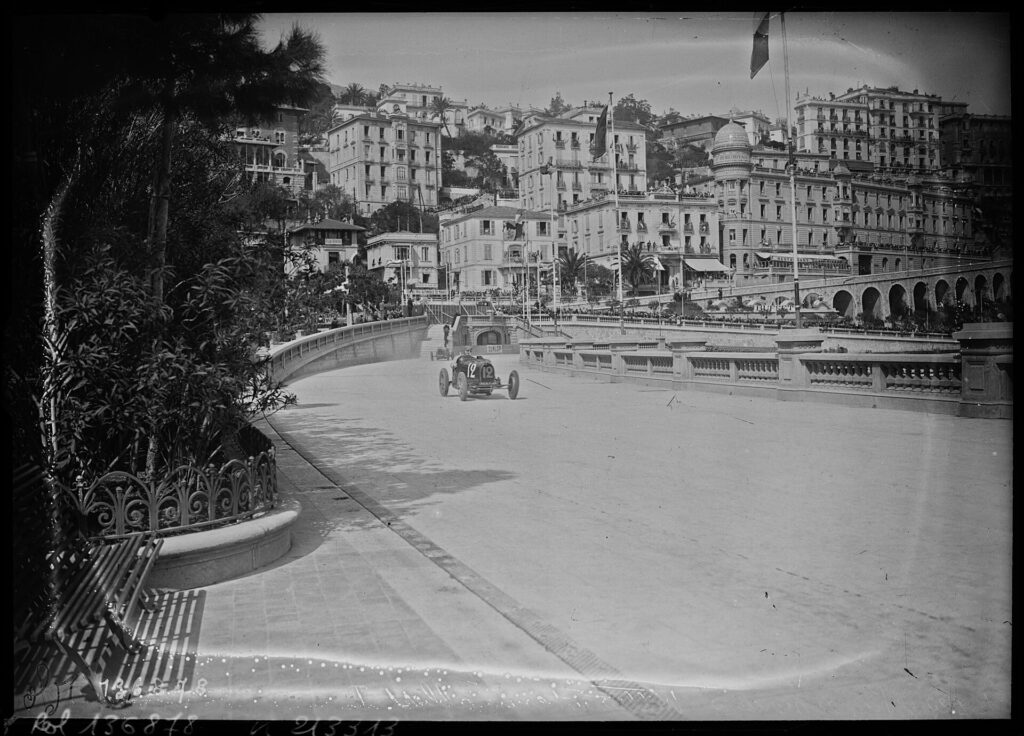
Boulevard Albert Ier forms the start-and-finish straight of the Formula One circuit, connecting the harbour area with the approach toward Sainte-Dévote. BEKING uses part of the same urban corridor, although its 1.3-kilometre harbour circuit is substantially shorter and follows a different alignment.
The distinction matters because the two events share landmarks without sharing an identical course. The Formula One circuit extends beyond the harbour through Monte Carlo, including the climb toward Casino Square and the descent back toward the waterfront. BEKING remains concentrated around Port Hercule, using the parallel harbour roads to create a compact loop.
Nevertheless, the overlap gives the cycling race a distinctive atmosphere. Boulevard Albert Ier is familiar to international audiences as a motor-racing straight, yet during BEKING it becomes part of a cycling circuit where professional riders compete under their own power.
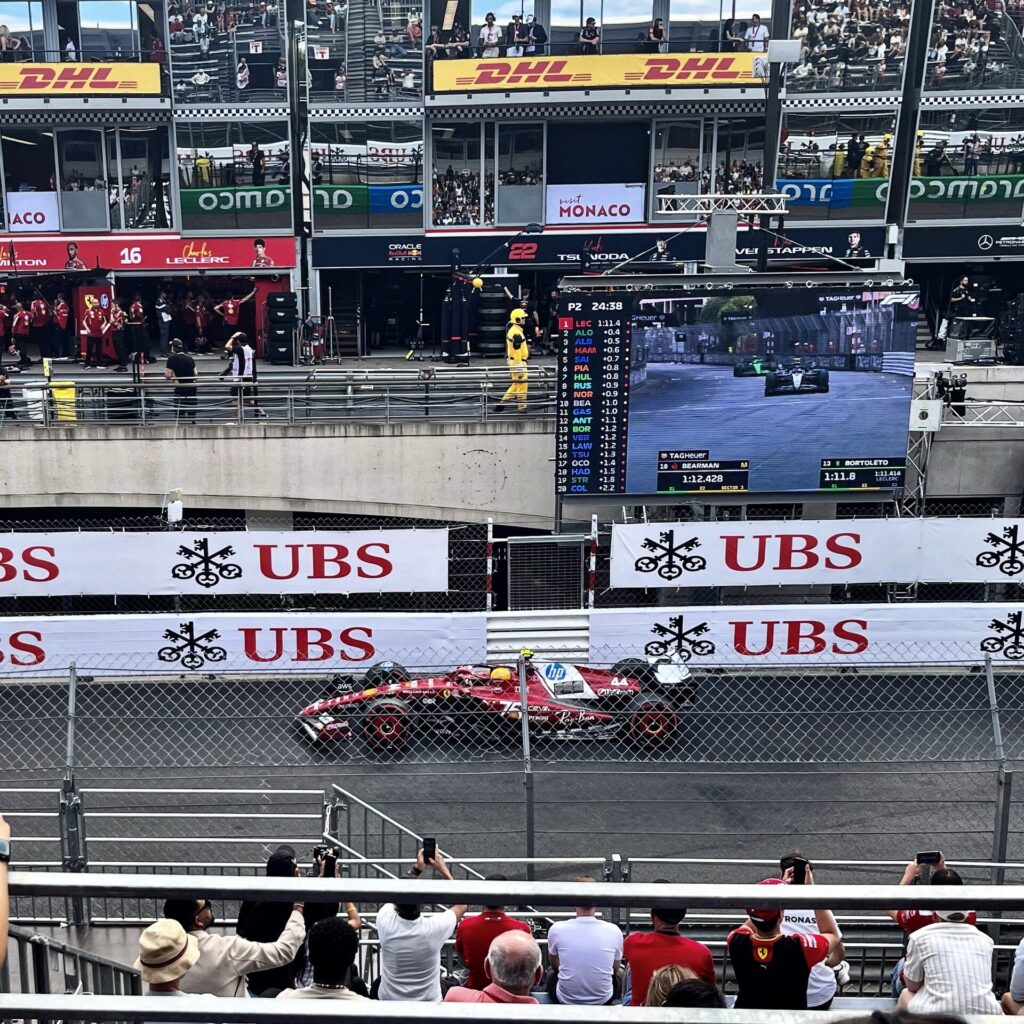
The road’s urban surroundings reinforce the contrast. Apartment buildings, commercial premises and connecting streets stand close to the course, while the harbour lies only a short distance away. The setting is neither a purpose-built velodrome nor a remote road-racing landscape, but an ordinary part of Monaco’s street network temporarily given over to sport.
The southbound straight brings the riders toward the southern end of Port Hercule, where the buildings begin to give way to the older harbourfront beneath the Rock of Monaco. Near La Rascasse, the course leaves Boulevard Albert Ier and turns back toward the water.
La Rascasse and the Return to the Finish
La Rascasse is one of the most familiar names associated with the Monaco Grand Prix. The establishment overlooking the southern end of Port Hercule has given its name to a tight corner on the Formula One circuit, where drivers negotiate the final part of the lap before returning toward the start-and-finish straight.
BEKING uses the same general harbourfront setting but follows its own shorter alignment. Near La Rascasse, the riders negotiate the southern bend and turn north again along the waterfront, completing the circuit’s second major change of direction.

The setting brings the course close to Monaco’s oldest political landscape. Above the southern end of the harbour rises the Rock of Monaco, the promontory where the Grimaldi family established its presence in the late thirteenth century. The Prince’s Palace remains there today, overlooking the port and the modern districts that developed below it.
The course does not climb toward Monaco-Ville or enter the streets surrounding the palace. Instead, it remains at the foot of the promontory, following the modern waterfront beneath a historic centre whose position was originally determined by the same natural harbour that shapes BEKING’s circuit.
After rounding the southern bend, the riders head north again, passing the marina facilities and returning to the finish beside the Stade Nautique. The short distance between La Rascasse and the line makes the southern corner particularly relevant to the final approach, since riders emerging from the bend have relatively little road remaining before the finish.
A complete lap measures approximately 1.3 kilometres, with 19 metres of accumulated climbing and an equivalent amount of descending. The elevation changes are modest by professional road racing standards, but the succession of turns and short straights gives the course a demanding stop-and-start rhythm.
The riders pass the same landmarks again and again, with the harbour, swimming pool and buildings of La Condamine remaining close throughout. For spectators, that repetition is part of the appeal. Rather than seeing the peloton disappear into the countryside, they can follow the competition as it develops over successive laps, watching the same corners and straights take on different significance as the race progresses.
The circuit’s compact geography also keeps BEKING’s wider activities close to the racing. Professional competition occupies the roads, while the surrounding harbourfront accommodates the public programme, bringing together the different elements of an event designed around more than the finishing order.
A Different Sporting Tradition on Familiar Streets
Monaco’s international sporting identity has long been shaped by events that transform its streets and waterfront into temporary arenas. The Grand Prix is the most famous example, but BEKING demonstrates that the same setting can accommodate a sporting occasion with a different purpose.

The connection between the professional race and the wider community is visible throughout the event. The Pro/Am competition brings amateur riders onto the same circuit as established athletes, while children’s activities and educational programmes introduce cycling to younger participants. Its charitable work, from the early involvement of the Michele Scarponi Foundation to the organisations supported in 2026, gives the gathering a significance that cannot be measured by race results alone.
There is a particular contrast in seeing bicycles occupy roads more commonly associated with Formula One cars and luxury vehicles. Port Hercule is internationally recognised for its yachts and sporting prestige, yet for one day its quays and surrounding streets become a place where the bicycle is the central attraction.
The course itself makes that contrast unusually visible. The riders pass the swimming pool, the marina, Boulevard Albert Ier and La Rascasse, moving through a landscape shaped by centuries of maritime activity and decades of international sporting spectacle. Nothing about the geography changes, but its use does.
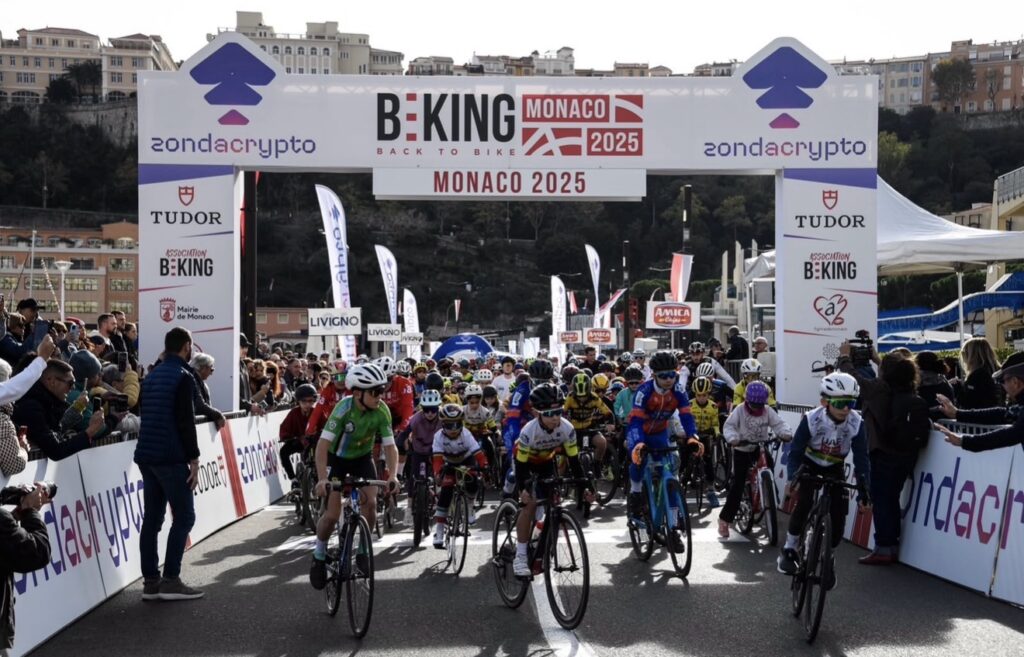
When the final riders cross the line on 29 November, the barriers will eventually come down and Port Hercule will return to its ordinary routines. The same roads will carry everyday traffic, pedestrians will move along the quays and the harbour will resume its familiar appearance. For BEKING, that return to normality is part of the point: the bicycle is not confined to the temporary circuit or the professional peloton. It belongs on the streets beyond race day as well.